
April 22, 2026

How Orthopedic Physical Therapy Can Improve Balance and Prevent Falls
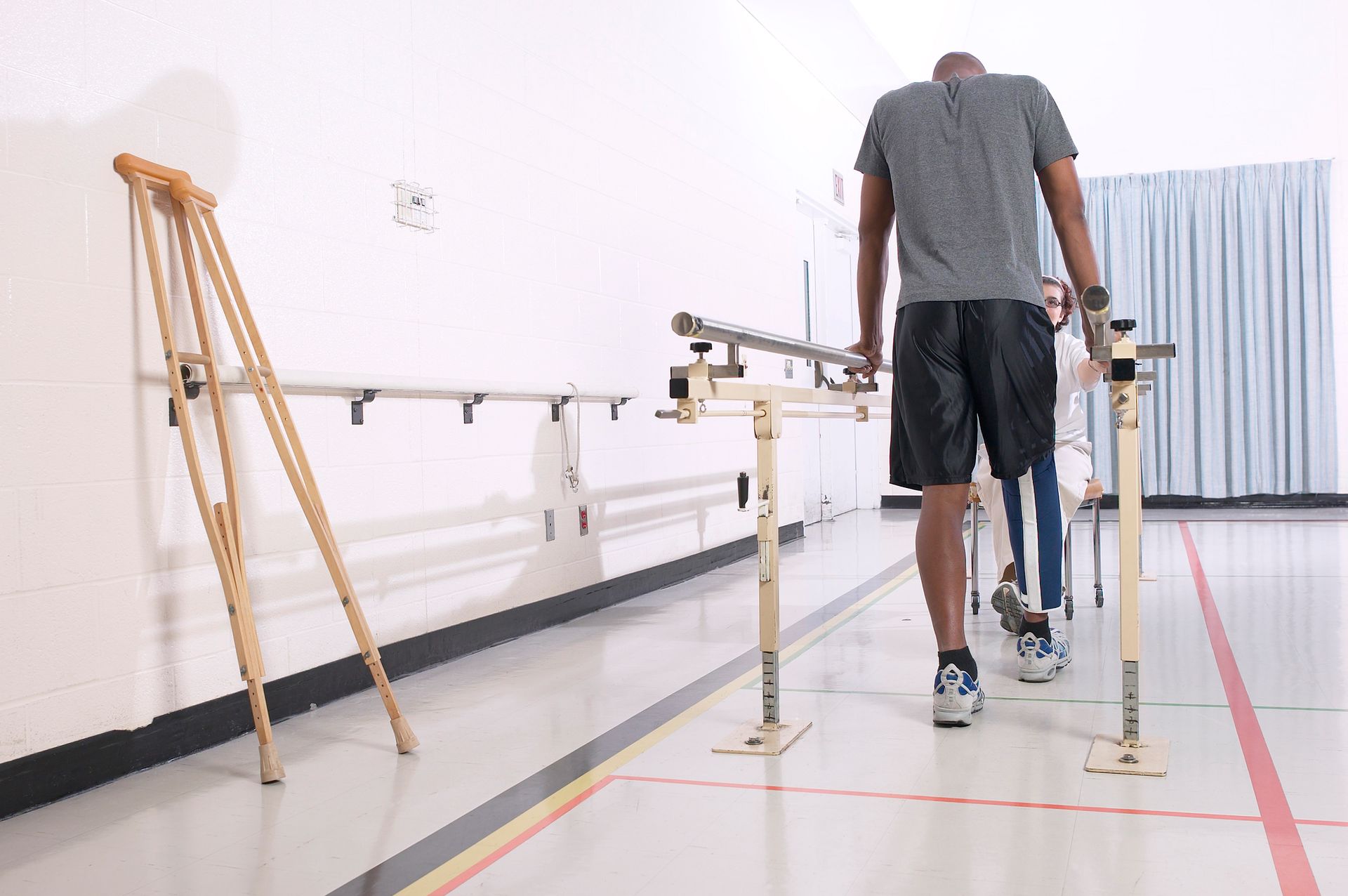
Physical therapy.

Have you noticed that maintaining your balance becomes more difficult after an orthopedic injury or surgery? This is a common challenge that affects many people recovering from joint replacements, fractures, or arthritis. These conditions can interfere with your muscle strength and coordination, increasing the risk of falls.


In this article, we explore how orthopedic physical therapy in Monroeville, PA, can help improve balance and reduce the chance of falling by focusing on targeted treatments designed to rebuild strength, coordination, and proprioception.


Understanding the Link Between Orthopedic Injuries and Balance Challenges

Orthopedic injuries such as joint replacements, fractures, and arthritis can hinder your ability to stay balanced for a variety of reasons. These conditions often cause pain, stiffness, and muscle weakness that limit natural movement and make it harder for the body to respond quickly to changes in position. Additionally, orthopedic problems can reduce proprioception, which is the body’s ability to sense its own position in space, a critical factor in maintaining balance.


Because of these issues, individuals recovering from orthopedic injuries are often at a higher risk of falls. This is especially concerning for older adults, as falls can lead to serious injuries, extended recovery times, and a diminished quality of life. By understanding how orthopedic conditions affect balance, patients and caregivers can better appreciate the importance of specialized therapy in their recovery.


How Orthopedic Physical Therapy Improves Strength and Coordination

Orthopedic therapy is designed to address the specific causes of balance problems related to musculoskeletal injuries. Therapists develop customized exercise programs that strengthen the muscles weakened by injury or surgery, improve joint flexibility, and retrain coordination to promote better stability.


One important focus of therapy is proprioceptive training. This includes exercises that challenge the body’s balance and position sense, such as standing on uneven surfaces or balance boards. These activities help retrain the nervous system to react more efficiently, which reduces the risk of falling during everyday movements.


Alongside proprioceptive work, physical therapists incorporate strength training and functional mobility exercises. These help patients improve core stability and leg strength, essential components for safe walking and balance.


Personalized Balance Therapy Programs at Alliance Physical Therapy

Alliance Physical Therapy in Monroeville, PA, understands that each patient faces unique challenges following an orthopedic injury. That is why we offer customized orthopedic physical therapy programs focused specifically on improving balance. Whether you are recovering from a knee replacement, managing arthritis pain, or healing from a fracture, we develop a treatment plan tailored to your individual needs.


Our balance therapy includes a combination of strength exercises, coordination drills, and educational components about fall prevention. Throughout your therapy, we monitor your progress closely and adjust your program to ensure you gain maximum benefit.


We proudly serve the community with three convenient office locations: Ross Township, Murrysville, and Penn Hills. Each facility is equipped with the tools and technology necessary to provide safe, effective, and compassionate care.

Sport-Specific Therapy: Prevention and Performance Enhancement
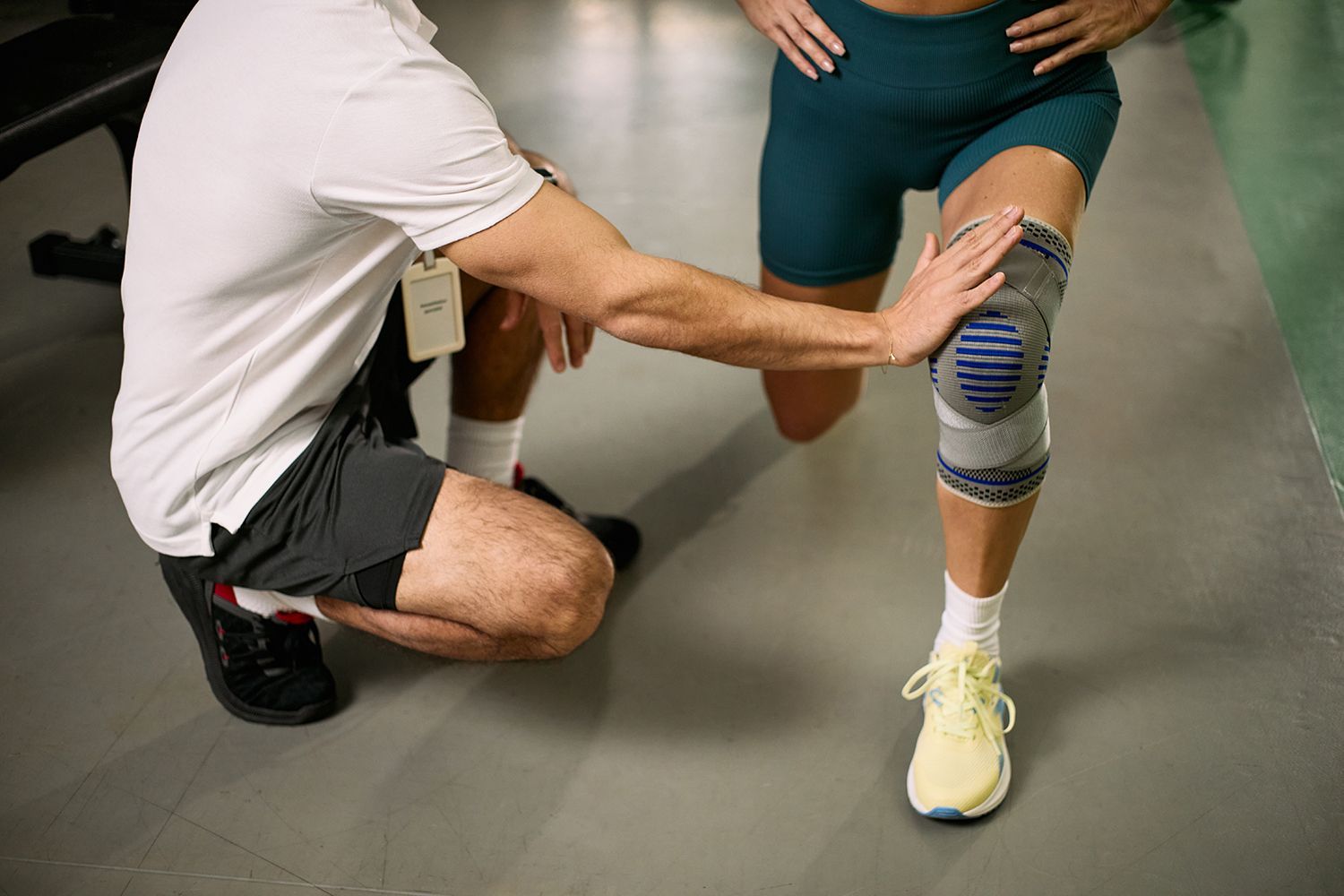
Man assisting young woman performing knee rehabilitation.

The Role of Proprioception and Coordination Issues in Orthopedic Patients

Proprioception, your body’s ability to detect movement and position, is often compromised following orthopedic surgery or injury. When sensors in joints and muscles are impaired, your brain may receive delayed or incomplete information about your position, affecting your ability to maintain balance.


This can lead to compensating movements that increase the risk of falls and other injuries. Orthopedic physical therapy focuses on retraining these sensory pathways and enhancing coordination through targeted exercises, helping you regain smooth, controlled movement.


Why Fall Prevention is Vital for Quality of Life and Independence

Falls are a leading cause of injury, especially among older adults and individuals with orthopedic conditions. Beyond physical harm, falls can cause anxiety and lead to activity avoidance, which further weakens muscles and reduces balance over time.


By improving strength, coordination, and awareness, orthopedic therapy helps patients regain confidence in their movements. This is critical for maintaining independence and participating actively in daily life. Fall prevention is not just about avoiding accidents; it is about preserving your ability to live comfortably and safely.


The Importance of Early Intervention in Orthopedic Physical Therapy

Starting orthopedic therapy soon after injury or surgery can greatly improve outcomes related to balance and fall risk. Early intervention helps reduce pain and swelling, prevents muscle loss, and promotes joint mobility. It also allows therapists to begin proprioceptive and coordination training earlier, which helps patients regain stable movement faster.


For those with chronic orthopedic conditions like arthritis, consistent therapy can slow decline, improve function, and reduce the likelihood of falls long-term.


Take Control of Your Balance and Safety in Monroeville, PA

If you or a loved one is dealing with balance difficulties related to orthopedic conditions, help is available. At Alliance Physical Therapy, our expert team in Monroeville, PA, provides comprehensive orthopedic physical therapy programs focused on improving balance, promoting strength, and preventing falls.


Contact us today at 412-242-7880 or visit our contact page to schedule your consultation. With offices in Ross Township, Murrysville, and Penn Hills, we proudly support the Monroeville community by offering personalized and compassionate care. Take the first step toward improving your balance and maintaining your independence with specialized orthopedic physical therapy
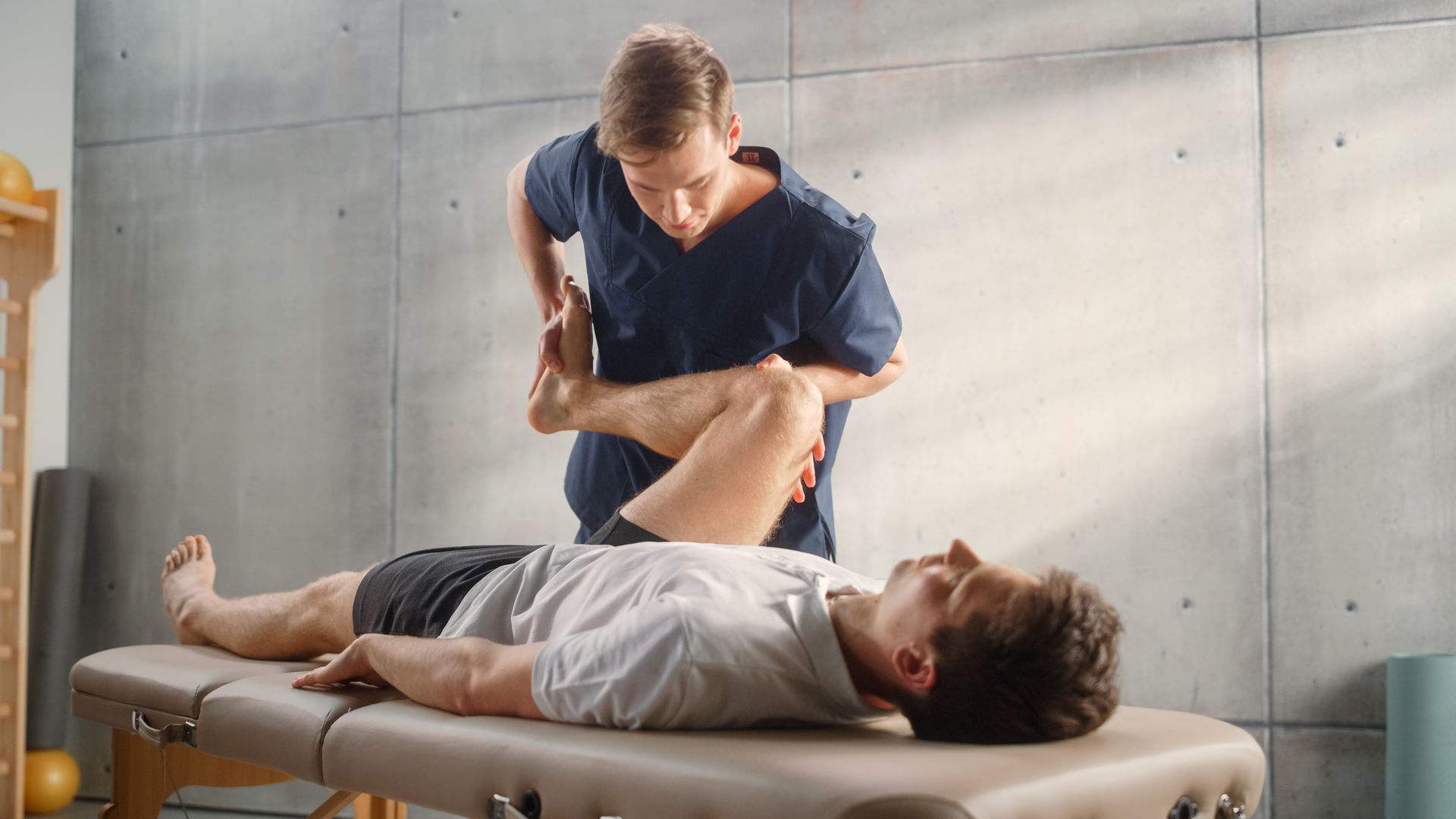
A therapist guides an athlete’s leg through a stretching exercise on a treatment table.
March 24, 2026
Alliance Physical Therapy offers physical therapy for athletes in Pittsburgh, PA. Boost recovery & performance. Call 412-318-4286 or click here to learn more.
By Anna Ellenberger, PT, DPT, MTC June 13, 2019
Explore pelvic floor therapy at Alliance Physical Therapy, designed for pain relief, wellness, and recovery in Mccandless, Monroeville, and Pittsburgh, PA. Regain control and comfort with our expert care.
By Colin Gundling, PT, DPT, MTC, OCS November 8, 2018
Discover how exercise therapy can aid in pain management and orthopedic recovery at Alliance Physical Therapy. Serving Mccandless, Monroeville, and Pittsburgh, PA with expert care.
By John Sirianni, MS, PT September 6, 2018
We find in our practice on an increasing and daily basis a request by our patients to have us attempt to explain and/or resolve their healthcare insurance issues. Years ago, when there were less insurance products available, we as clinicians felt like we had a level of working experience with these products and could sufficiently answer our patient's questions. And, remembering that we are clinicians and not insurance specialists, we often could then and still do, defer and point them in the right direction with their particular product resource. There has been an evolution in the healthcare arena since the 70's that began with physician providers having tremendous earning power. That scenario changed with the advent of managed care and providers earnings dropping to 40 or 50 cents on the dollar. The next generation of big earners was the pharmaceutical industry trying to recover the funds they spent on years of research and development, particularly on products that did not prove to be especially beneficial. And that brings us to the latest player in the healthcare earnings market...the insurance companies. The insurance industry is of particular interest to the patients of Pittsburgh in that we have a unique situation in our area of hybrid entities that are both the clinical body and the insurance carrier. By this time, everyone has to be aware of the negative advertising campaigns we have seen and heard on television, the radio and in print between UPMC and the Highmark/Allegheny Health giants. While we heard a daily onslaught of why the public should be afraid for their future ability to get good care and why one system was better than another many individuals were just too confused and opted for third party insurers that would allow them freedom of choice. They chose not to be bullied by entities making millions of dollars and limiting the patient to go to clinics only in their system or they would not be covered or by directing the patient to selected clinics under their umbrella and applying different levels of deductibles, co-insurance and co-pays to influence your right to choose through the application of financial hardships. Some insurances make a distinction between "in-network" and "out-of-network" clinics and only cover your care when you go to an in-network provider. Even when you go to an in-network provider, there are often multiple levels of coverage, which typically confuse the patients and providers, allowing the insurance companies to pass off much of the cost to the patient. In many areas of the country, clinicians have opted out of these cumbersome insurance products and provide care for their patients on a "cash" basis. This means that the patient is treated, they pay the provider out of their own pocket, and then they turn the charges in to their insurance company on their own to get their payments re-imbursed. Often times, the clinic will provide the patient the necessary paperwork and lend some guidance but the service that was once done as part of your healthcare visit is now passed on to the client. This extra consumer burden has been born out of the complexities of the current insurance environment. The reality is that at this point clinicians are getting paid less (or the same) and need to staff more people to decipher the billing polices required by the insurance carriers. The facts are that your caregivers in the Pittsburgh healthcare market are not charging more and are not earning more per patient or office visit. We are all playing by the same rules when we enter into an insurance agreement with a given company to see our patients. We agree to follow a usual and customary fee schedule that the industry has established. We all tend to think of our health insurance card as something that must certainly cover all of our healthcare expenses when the circumstances justify the need but that is simply not the case. No matter how you spin it, your health insurance premiums are rising, and you are not getting more services for the costs. Even when your premium seems to have stabilized or taken a small dip in a given year, what is commonly reflected is that your clinician is being asked to take some form of discount and the patient is being asked to make up the difference by a cash payment on their visits. Another side effect of the strangulating insurance issues in Pittsburgh is that many of our young and talented healthcare professionals are choosing to train here and leave the area for greener pastures and many of our homegrown clinicians take their expertise elsewhere. I have experienced this first-hand by watching two of my sons graduate from one of our Eastern suburb high schools and go on to medical school training at a Pennsylvania institution only to make the career choice to practice out-of-state when they completed their anesthesia residencies. So, are we getting the best care available in Pittsburgh or just the best care the insurance industry is willing to cover? I think it is time for the healthcare consumer in Pittsburgh to "step up" and become better informed about their care. It is the patient's responsibility to understand their insurance purchase and what it allows. Your clinician's office can provide support to help you get through some of the confusion but we all need to be more proactive with our insurance carriers, our legislators and the Pennsylvania Insurance Commission. At Alliance Physical Therapy, we pledge to work with our patients to do our best to avoid putting them in a position that compromises their healthcare because of insurance/financial constraints. As a small player in a large game, our goal is to take the high road and work to do that which is right for the patient. You have a right to choose where you get your care...so make sure you ask all the right questions and consider Alliance for your rehabilitation needs.
By John Sirianni, MS, PT August 22, 2018
 Have you ever heard someone wonder out loud, “How does the quarterback from the Steelers have knee surgery and get back on the field in a couple of weeks?” or “I had shoulder surgery and I can’t even think of throwing a ball like that pitcher for the Pirates!” We need only to remember that these individuals are blessed with natural athletic gifts and work full-time to maintain a level of conditioning that most of the general population can only dream about. So, their recovery from an injury starts at a better point along the path than those of us who are working more and working out less! The weekend warrior is someone who engages in strenuous physical activity part-time or on weekends. The Center for Disease Control research estimates that only 1-3% of the population even engages in that level of activity and that 80% of that group are lumping activities such as household tasks like gardening into their regime. We are a statistically sedentary nation and yet we wonder why we get injured and why we don’t recover quickly!  Couch potatoes are the baby boomers who can’t play like we did when we were in high school and who are more concerned with home weight loss programs than in cardiovascular fitness. We face increased injuries when we try to exercise without the proper preparation due to fatigue, heavy physical demands, prolonged bouts beyond our tolerance and/or inexperience in the chosen sport/activity. A basic premise to consider if we are limited to a couple of days a week to exercise is to spread the days out to avoid deconditioning rather than doing both days on the weekend and to always involve a warm up and cool down period. Don’t be afraid to try an activity…. you might find you actually like it and it will become a healthy habit! If it makes you happy you are likely to stay motivated.  Our advice is to consult a knowledgeable health care professional to safely get started. But avoid the mentality that you need to go to a “Sports Medicine Clinic” because that is where the professional athletes go and “if it’s good enough for them, then it is good enough for me”. Sports medicine is a marketing term to attract clients and not a medical specialty. Someone working in sports medicine can be in internal medicine, emergency medicine, family practice, orthopedics, physical therapy, athletic training or nutrition, to name some examples, and should have additional training and experience in physical fitness and performance and the treatment and prevention of injuries associated with sports and exercise. A true sports medicine facility should coordinate research, education and practical applications with the idea of taking that knowledge and being of help to all people, not just elite athletes. The information that is generated at a facility like that is readily available to all clinicians and it is their responsibility to evaluate and treat their clients with the best evidence-based protocols in practice at the time.  So, find something you think you might like to try, consider talking to a specialist in movement and exercise like a physical therapist to help get you prepared to safely start, and go out and have some fun developing life-long healthy habits! And remember, weekend warrior or couch potato, you deserve and should expect the same care and attention that the professional quarterback or baseball pitcher gets!
By Admin July 23, 2018
The Science of Balance By Colin Gundling, PT, DPT, MTC, OCS The biggest fear of many older adults is that of falling. This fear comes with good reason, as falls and the subsequent injuries have been shown to be associated with increased disability and even mortality soon afterwards! Now, I am sure you have some questions about all this, so I am going to take a stab at a few: You may be thinking; how do we avoid falls? There are many ways to avoid falls, but I will tell you that the answer is certainly not completely avoiding activities. So many older adults that I treat are surprised when we perform a balance test (ie, standing on one leg) and they can barely even start the test before losing balance. If this is the case for you, this tells me a couple of things: 1) your balance stinks. 2) your hip strength probably also stinks. 3) you have not challenged your balance recently, so you were not aware of how bad it is! The reality is that we live in a world that we do not have 100% control over. This means that we need to be prepared for changes in our environment; not just avoid anything and everything that could be dangerous because that will just lead to more disability and deconditioning. Another thought may be: But, can balance really get better? Yes. Progress may seem slow, but it will improve if you work on it. Don’t lose hope! When should we start working on balance? Now. I don’t care what age you are- it’s never too early OR late to start working on your balance. The group that I often see the most surprise in when we assess their balance is that 50-65 year-olds. From this group, I often hear “I had no idea my balance was this bad!” One thing that I have observed in my career is that our bodies are amazing at adapting to stress. If we stress the body in a slow, graded manner then our systems and tissues will adapt to that challenge and improve. How do I know if I have balance issues? That is a loaded question, because there are different levels of issues with balance. I would say that the best way to figure out if you have balance issues is to empower you with a better understanding behind the Science of balance. There are three body systems that help you stay on your feet: 1) Visual, 2) Vestibular (inner ear), 3) Proprioceptive (the position of your joints and muscles). These three systems work in concert to send information to your brain about what your body is doing. An issue with one system will result in increased reliance on the others. So, in order to have an influence on your balance we need to identify which system is the FAULTIEST, and why. Once we do that we can determine a plan to intervene on that system. To test each system, we need to dampen the information coming to your brain from the other two systems. This way your brain will be primarily relying on the non-dampened system. The other important thing to consider in your ability to balance is the size of your Base of support. The larger your base of support is, the easier it is to stay balanced. Your body knows this and will increase the support base in situations where it predicts that you may become off-balance. This is obvious in children who are learning to walk and have a very wide base of support. So, when you are testing your balance you need to be aware of the progression of your base of support to increase the balance challenge. The image Below demonstrates the progression of support from easiest to hardest.